- info@SDSPropertyServices.com
- 866-453-8111
100% Money Back Guarantee!
Florida timeshares dominate the vacation ownership industry, representing the largest concentration of timeshare properties in the United States. Understanding how these vacation ownership arrangements work, what they truly cost, and how to exit them protects consumers across the U.S. from financial burdens that extend far beyond initial purchase prices.
The appeal of owning vacation time at Florida’s world-class resorts draws thousands of buyers annually. However, the reality of timeshare ownership often differs dramatically from sales presentations. Rising maintenance fees, limited flexibility, and virtually nonexistent resale markets trap owners in perpetual financial obligations. This comprehensive guide examines Florida timeshares from purchase through exit, helping current and prospective owners make informed decisions.
Florida timeshares grant owners the right to use vacation property for specific periods annually. These arrangements function as shared ownership where multiple parties purchase usage rights to the same unit during different time periods. The timeshare model allows developers to sell the same property unit to dozens of owners, maximizing revenue while providing buyers with affordable vacation access.
Two primary timeshare structures exist in Florida: deeded ownership and right-to-use agreements. Deeded timeshares convey actual real estate interest, giving owners a fractional property stake they can sell or pass to heirs. Right-to-use timeshares grant vacation privileges for predetermined periods without transferring property ownership. The distinction affects resale options, inheritance implications, and legal rights throughout ownership.
Florida timeshare contracts typically include fixed weeks, floating weeks, or points-based systems. Fixed week ownership guarantees the same week annually at your designated resort. Floating weeks allow flexibility within specified seasons. Points systems provide credits to book various properties within resort networks. Each structure carries unique advantages and limitations that impact long-term satisfaction and exit difficulty for owners across the U.S.
Florida hosts more timeshare properties than any other state, driven by year-round tourism, favorable climate, and concentrated entertainment attractions. According to the American Resort Development Association’s industry analysis, Florida accounts for approximately 25% of all U.S. timeshare inventory, representing over 200,000 timeshare units statewide.
Orlando alone contains hundreds of timeshare resorts capitalizing on proximity to theme parks and entertainment venues. The consistent tourist traffic provides developers with steady buyer pools, while established resort infrastructure supports large-scale timeshare operations. Florida’s tourism economy creates ideal conditions for timeshare proliferation that continues expanding despite market saturation.
The state’s regulatory environment historically favored timeshare development through streamlined permitting and developer-friendly legislation. This facilitated rapid construction of massive timeshare complexes that now dominate coastal and central Florida landscapes. The concentration creates competitive sales environments where aggressive marketing tactics push vacation ownership on tourists across the U.S.
Orlando represents the epicenter of Florida’s timeshare industry, with resort density exceeding most global destinations. International Drive, Lake Buena Vista, and Kissimmee contain hundreds of timeshare properties targeting theme park visitors. Developers leverage proximity to Disney World, Universal Studios, and SeaWorld to justify premium pricing and perpetual contracts.
Miami and Miami Beach timeshares focus on luxury beachfront experiences, commanding higher purchase prices and maintenance fees. South Beach, Bal Harbour, and Key Biscayne properties attract buyers seeking tropical resort experiences. Tampa and Clearwater timeshares offer Gulf Coast access with slightly lower costs than Miami markets while maintaining strong developer presence.
Expert Tip: Never purchase a timeshare during vacation under pressure from sales presentations. Request contract copies for home review, consult with financial advisors, and research resale values before committing to any Florida timeshare purchase.
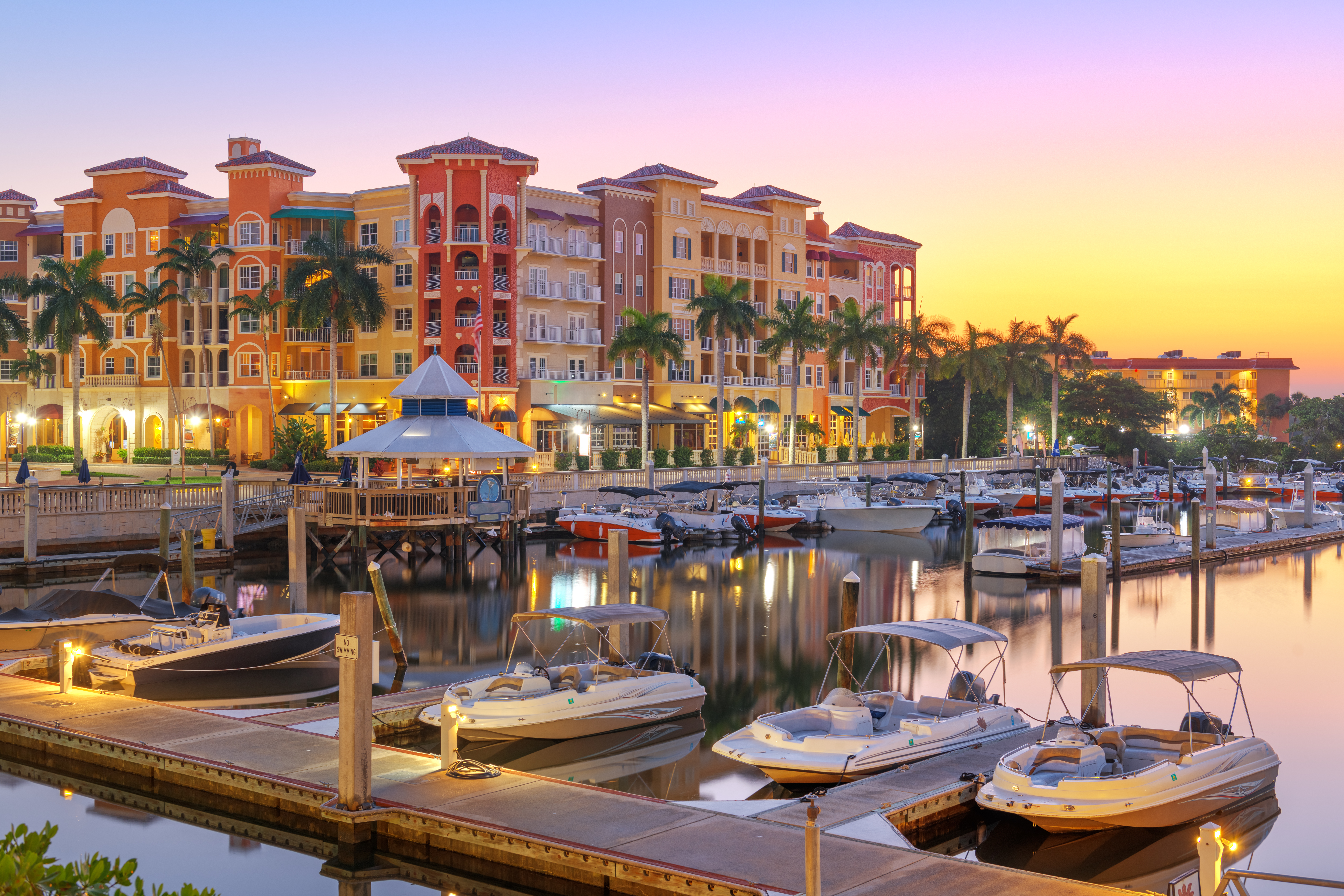
Florida’s geographic diversity creates distinct timeshare markets catering to different vacation preferences. Atlantic Coast properties in Fort Lauderdale, Palm Beach, and Daytona Beach emphasize oceanfront access. Gulf Coast resorts in Naples, Sarasota, and Fort Myers highlight calmer waters and sunset views. Central Florida properties prioritize theme park proximity over beach access.
The Florida Keys represent premium timeshare territory where limited development space drives elevated costs. Key West, Marathon, and Islamorada timeshares appeal to buyers seeking tropical island experiences without leaving the continental United States. However, these properties typically carry the highest maintenance fees due to hurricane insurance costs and island logistics.
Disney Vacation Club operates Florida’s most recognized timeshare program with properties at Walt Disney World Resort. These Disney-branded timeshares command premium prices based on brand recognition and integrated theme park benefits. However, they follow the same fundamental timeshare model with escalating maintenance fees and limited resale markets affecting owners across the U.S.
Major resort chains including Marriott, Wyndham, Hilton, and Hyatt operate extensive Florida timeshare portfolios. Brand affiliation provides perceived quality assurance but doesn’t eliminate common timeshare problems. Corporate-backed programs face identical resale challenges, fee escalation, and exit difficulties as independent resorts despite marketing suggesting otherwise.
Florida timeshare operations combine vacation usage rights with ongoing financial obligations. Owners receive annual access to accommodations based on their ownership type—fixed week, floating week, or points allocation. In exchange, they pay annual maintenance fees covering property operations, repairs, insurance, and management regardless of whether they use their allotted time.
Exchange programs like RCI and Interval International allow Florida timeshare owners to trade their weeks for stays at other participating resorts globally. These exchanges require membership fees, exchange fees, and often involve downgrades from owned units. The flexibility benefits vary significantly based on ownership tier, resort quality, and seasonal demand patterns.
Maintenance fees represent perpetual obligations that escalate annually regardless of property use. Florida resorts typically increase fees 4-8% yearly to cover rising operational costs. These assessments cannot be escaped through non-use ownership carries mandatory payment obligations until the contract terminates through sale, surrender, or foreclosure.
Florida timeshare maintenance fees range from $800 to $3,000+ annually depending on unit size, resort amenities, and location. Beachfront properties generally carry higher fees than inland resorts due to coastal insurance costs and premium land values. Luxury resorts with extensive amenities charge substantially more than basic properties despite similar usage limitations.
Consumer Financial Protection Bureau guidance on timeshare costs explains that maintenance fees represent indefinite obligations separate from purchase loans. Many Florida owners across the U.S. discover their annual fees double within 10-15 years, creating unsustainable financial burdens that motivate exit seeking.
Special assessments add unexpected costs beyond regular maintenance fees when resorts require major repairs or improvements. Hurricane damage, infrastructure failures, or property upgrades trigger these one-time charges that can reach thousands of dollars. Florida’s hurricane exposure makes special assessments particularly common, straining owner budgets without warning.
Timeshare contracts grant resort associations authority to levy special assessments with limited owner input. These charges become mandatory debts that owners must pay or face collection actions. The unpredictability of special assessments creates financial uncertainty that compounds frustration with escalating regular maintenance fees.
The total cost of Florida timeshare ownership extends far beyond initial purchase prices. Upfront costs average $20,000-$30,000 for most Florida properties, though luxury resorts command $50,000-$100,000+. Buyers financing purchases face interest charges adding thousands to total investment over loan terms typically spanning 10 years.
Annual maintenance fees accumulating over typical 20-30 year ownership periods create the largest expense. A modest $1,200 annual fee totals $24,000-$36,000 over two to three decades. Factor in 5% annual increases and lifetime maintenance costs exceed $50,000 for properties with modest initial fees. Premium resorts charging $2,500+ annually generate six-figure lifetime maintenance obligations.
Checklist for Calculating True Florida Timeshare Costs:
According to data from the University Central Florida Rosen College of Hospitality Management, the average timeshare owner pays approximately $1,530 in annual maintenance fees, representing a 3.5% increase from previous years. These escalating costs motivate many Florida timeshare owners across the U.S. to seek exit solutions before decades of accumulated fees drain their finances.
Florida timeshare ownership creates predictable problems that affect thousands of owners across the U.S. annually. Booking difficulties plague points-based systems where popular weeks disappear months in advance. Owners discover their purchased flexibility means nothing when desired dates remain unavailable year after year. Fixed week owners face rigidity that doesn’t accommodate changing schedules or vacation preferences.
Escalating maintenance fees represent the most common complaint, with costs rising faster than inflation and often doubling within 10-15 years. Special assessments add unpredictable expenses that strain budgets. Many Florida timeshare owners find annual costs eventually exceed comparable rental rates for similar accommodations without ownership obligations.
Florida timeshares hold virtually no resale value in most cases. Market saturation, unlimited developer inventory, and buyer education about timeshare realities eliminate resale demand. Owners across the U.S. attempting to sell discover their $25,000 purchase brings $1 offers if any interest exists at all. Many owners ultimately pay companies to take their timeshares off their hands.
The resale market collapse stems from rational buyer behavior. Why purchase used timeshares with accumulated fee burdens when new purchases offer promotional incentives? Developers flood markets with inventory while educating consumers about timeshare drawbacks. This combination destroys secondary market values, trapping owners who assumed their purchase represented investment-grade assets.
Mini Case Study:
A retired couple purchased a one-bedroom Orlando timeshare in 2010 for $22,000, financing $18,000 at 14% interest. By 2024, they had paid $31,000 total including interest. Their annual maintenance fees grew from $950 to $1,850 over 14 years, totaling an additional $19,000. After spending $50,000 over 14 years, their timeshare couldn’t sell for $500 on the resale market. They paid $2,000 to an exit company for contract termination—still cheaper than continuing ownership indefinitely.
Florida Statutes Chapter 721 governs timeshare sales, operations, and consumer protections statewide. These regulations establish disclosure requirements, rescission rights, and operational standards protecting timeshare purchasers. However, enforcement limitations and developer-friendly provisions often favor resort interests over consumer protection.
Florida’s timeshare statute requires specific contract disclosures including total purchase price, maintenance fee estimates, and exchange program details. Developers must provide public offering statements containing resort financial information and ownership structure details. These requirements aim to inform buyers but often get obscured in high-pressure sales presentations.
Florida timeshare contracts contain complex legal language establishing perpetual obligations and limiting exit options. Maintenance fee provisions grant resort associations broad authority to increase assessments without owner approval. Right-of-first-refusal clauses allow resorts to block resales to third parties, controlling secondary markets.
Many contracts include arbitration requirements forcing disputes into private resolution forums that historically favor resort interests. Inheritance clauses make timeshares part of estates, transferring obligations to heirs who may not want them. Understanding these provisions before signing protects buyers from obligations they don’t fully comprehend during sales presentations.
Florida law grants timeshare buyers a 10-day rescission period beginning when they sign purchase contracts. During this window, buyers can cancel contracts without penalty or justification, receiving full refund of deposits. The rescission period represents the most important consumer protection in Florida timeshare law.
Developers must clearly disclose rescission rights in contracts and provide cancellation instructions. Many buyers miss this opportunity due to sales pressure minimizing its importance or confusion about cancellation procedures. Anyone purchasing a Florida timeshare should exercise rescission rights unless absolutely certain about long-term commitment after sober review away from sales pressure.
Exiting Florida timeshare ownership requires strategic approaches beyond traditional resale attempts. The collapsed resale market eliminates conventional selling as viable option for most owners across the U.S. Alternative exit strategies include deed-back programs, attorney-assisted contract termination, or professional exit services that negotiate directly with resorts.
Some Florida resorts offer voluntary surrender programs allowing owners to return timeshares under specific conditions. These programs typically require current payment status and may involve transfer fees. Availability varies dramatically between resort companies, with some refusing any surrender options while others maintain formal deed-back processes.
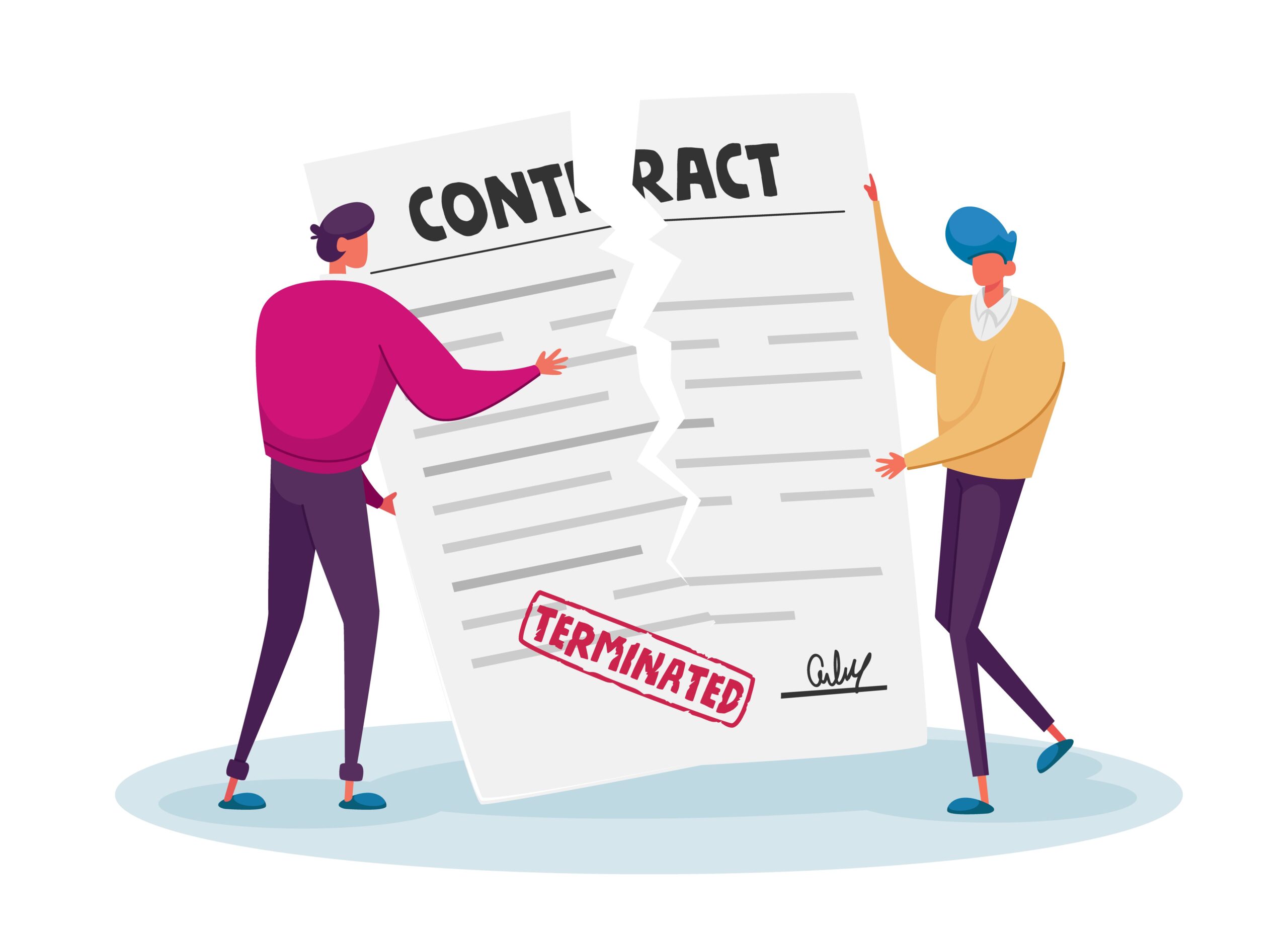
Professional timeshare exit companies provide services for owners seeking legal contract termination. These companies negotiate with resorts, identify contract violations, or facilitate transfers that end ownership obligations. While services cost money, they often represent the only practical exit path when resorts refuse voluntary surrender.
Attorney-assisted exits offer another pathway, particularly when contracts contain violations or misrepresentations. Consumer protection attorneys specializing in timeshare law can identify grounds for cancellation beyond rescission periods. Legal approaches work best when sales presentations including provable misrepresentations or contract terms violate Florida consumer protection statutes.
Inherited timeshares create unwanted obligations for heirs who never desired ownership. Florida law allows inheritance disclaimer within reasonable timeframes before accepting estate assets. However, once heirs accept any portion of an estate, disclaiming specific assets becomes legally complex or impossible.
Beneficiaries discovering unwanted Florida timeshares in estates should consult estate attorneys immediately about disclaimer options. Acting quickly before accepting inheritance prevents assumption of perpetual maintenance obligations. Delayed action often results in inheriting obligations that require professional exit assistance to terminate.
Florida timeshare foreclosure typically follows judicial processes requiring court oversight. Owners who stop paying maintenance fees or loans face collection efforts, default notices, and eventual foreclosure proceedings. The process takes 6-18 months depending on court schedules and whether owners contest the foreclosure.
Foreclosure eliminates ownership but often creates deficiency judgments when resorts sue for unpaid balances. Credit damage persists for seven years, affecting mortgage approvals and loan interest rates. Federal Trade Commission consumer resources explain that foreclosure represents a last resort with serious consequences rather than a strategic exit option.
Florida’s concentrated timeshare market attracts scammers targeting desperate owners seeking exits. Upfront fee scams promise guaranteed sales or exits in exchange for large advance payments, then disappear without delivering results. These operations prey on owner desperation, collecting thousands before vanishing entirely.
Resale listing scams charge fees to list timeshares on websites that generate zero buyer traffic. Owners pay for worthless marketing while their properties never sell. Transfer company scams claim they’ll transfer ownership to third parties but simply take fees without completing legitimate transfers. According to the Federal Trade Commission, timeshare resale and exit scams cost consumers millions annually across the U.S.
Legitimate exit companies operate transparently with clear fee structures, realistic timelines, and verifiable track records. They explain processes thoroughly without making impossible guarantees. Red flags include pressure for immediate payment, promises of guaranteed timeframes, and requests for advance fees before providing substantive services. Always research companies through Better Business Bureau ratings and state attorney general consumer protection divisions before engaging any exit service.
How much do Florida timeshare maintenance fees typically cost?
Florida timeshare maintenance fees range from $800 to $3,000+ annually depending on property location, size, and amenities. Fees typically increase 4-8% yearly, often doubling within 10-15 years of purchase. Luxury beachfront resorts charge substantially more than inland properties.
Can I legally get out of my Florida timeshare contract?
Yes, several legal exit options exist including rescission during the 10-day cooling-off period, voluntary deed-back programs, professional exit services, or attorney-assisted contract termination. Walking away through foreclosure damages credit severely and may not eliminate all financial obligations.
What is the rescission period for Florida timeshares?
Florida law provides a 10-day rescission period beginning when you sign the purchase contract. During this window, you can cancel without penalty and receive full deposit refunds. This represents your most important consumer protection right when buying Florida timeshares.
Are Florida timeshares a good investment?
No, timeshares are not financial investments. They hold minimal resale value, generate no appreciation, and create perpetual costs through maintenance fees. Purchase timeshares only if you’ll use them extensively and can afford escalating fees indefinitely, not as wealth-building tools.
Florida timeshares dominate the vacation ownership industry, offering appealing resort access that comes with significant long-term financial obligations. Understanding true ownership costs, consumer rights, and realistic resale expectations helps prospective buyers avoid commitments that become financial burdens. Current owners struggling with escalating fees or unwanted inherited timeshares have legal exit options beyond continued payment or damaging foreclosure.
The key to Florida timeshare decisions, whether purchasing or exiting, lies in comprehensive understanding of obligations, realistic assessment of long-term costs, and knowledge of available legal protections. Exercising rescission rights during purchase, researching exit options when ownership becomes burdensome, and avoiding scams protects consumers across the U.S. from timeshare traps.
If you’re trapped in an unwanted Florida timeshare contract, Timeshare Exit Today provides expert exit services with credit protection and a 100% money-back guarantee. We help clients across the U.S. legally end timeshare agreements, making cancellation simple, clear, and stress-free. Our experienced team navigates complex Florida timeshare contracts to achieve permanent freedom from your obligations while protecting your financial well-being. Contact us today at 866-453-8111 or visit timeshareexittoday to schedule your free consultation and discover how we can help you break free from your Florida timeshare.
Ready to reclaim your freedom from timeshare obligations? Fill out the form below to schedule a no-obligation consultation with our expert team.
By providing my phone number to SDS Property Services, LLC, I agree and acknowledge that SDS Property Services may send text messages to my wireless phone number for any purpose. Message and data rates may apply. Message frequency will vary, and you can Opt-out by replying “STOP”. For more information on how your data will be handled, please see our (TERMS & CONDITIONS) and (PRIVACY POLICY).