- info@SDSPropertyServices.com
- 866-453-8111
100% Money Back Guarantee!
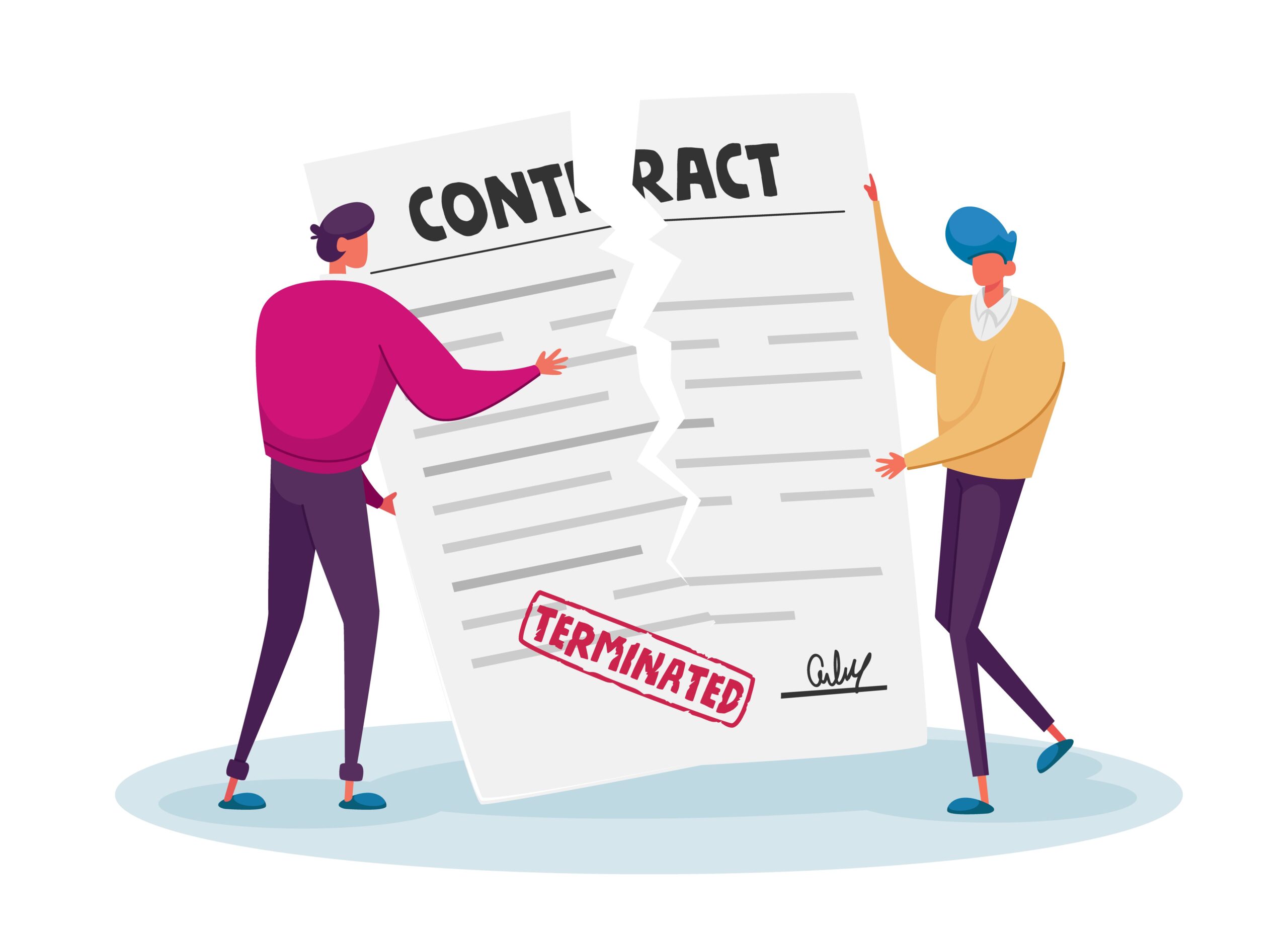
Timeshare contract loopholes sound promising until you realize most don’t hold up under legal scrutiny. Owners across the US search desperately for quick exits from burdensome contracts, only to find that advertised “guaranteed loopholes” often lead to wasted money and continued financial obligations. Understanding which contract provisions actually provide legitimate exit opportunities requires separating legal realities from marketing myths.
According to the American Resort Development Association’s industry report, only 3-7% of timeshare owners successfully exit contracts through identified contract weaknesses, while the remaining 93% require structured exit strategies involving legal review and negotiation. This reality affects millions of timeshare owners nationwide who face rising maintenance fees, limited usage options, and perpetual contract terms that seem impossible to break.
Timeshare contract loopholes refer to specific provisions, errors, or legal deficiencies within timeshare agreements that potentially allow owners to terminate contracts without fulfilling the complete term. These weaknesses can include disclosure violations, misrepresentation during sales presentations, clerical errors in contract documentation, or failure to comply with state-specific consumer protection laws across the US.
Most timeshare owners searching for loopholes hope to find simple contract clauses they can invoke to immediately cancel their obligations. The reality is far more complex. True contract loopholes require legal expertise to identify and strategic execution to leverage successfully.
The rescission period represents the only universally recognized timeshare contract loophole available to owners across the US. This cooling-off window, typically ranging from 3-15 days depending on state law, allows new purchasers to cancel contracts without penalty or justification. Understanding consumer protection laws helps owners recognize when rescission rights apply.
Once this period expires, contract cancellation becomes significantly more difficult. Resorts design contracts knowing most buyers won’t exercise rescission rights quickly enough, making this brief window the most valuable loophole most owners will ever encounter.
Expert Tip: Always send rescission notices via certified mail with return receipt requested. Keep copies of all documentation proving you submitted cancellation within the legal timeframe required in your state.
Sales presentations across the US frequently include verbal promises about rental income potential, property appreciation, or guaranteed exchange availability that don’t appear in written contracts. While these verbal assurances feel binding to buyers, contract language typically includes merger clauses stating only written terms matter.
Proving misrepresentation requires substantial documentation including witness statements, recorded conversations where legally permissible, or written correspondence contradicting contract terms. Courts across the US generally favor written contract language over verbal claims unless clear evidence demonstrates fraudulent inducement.
Legitimate timeshare contract loopholes exist but remain far less common than internet marketing suggests. The Federal Trade Commission’s consumer guidance confirms that while contract deficiencies occur, they rarely provide the simple exit solutions owners hope to find when searching for loopholes across the US.
Most advertised “guaranteed loopholes” fall into three categories: the rescission period already mentioned, complex legal challenges requiring attorney involvement, or outright scams promising results they cannot deliver. Distinguishing between these categories protects owners from predatory exit companies while identifying genuine opportunities.
State laws across the US mandate specific disclosures during timeshare sales presentations. Violations of these requirements can invalidate contracts, but proving non-disclosure typically requires detailed documentation of exactly what information the resort failed to provide. Learning about timeshare disclosure requirements helps owners understand which omissions might constitute legal violations.
A hypothetical case illustrates this challenge. An owner in Nevada claimed the resort failed to disclose perpetual fee increases during their sales presentation. Without witnesses, recordings, or written evidence of the omission, courts dismissed the claim because the contract itself contained generic language about potential fee adjustments. The lesson: disclosure violations must be provable, not assumed.
Many timeshare contracts include perpetuity clauses binding owners and their heirs indefinitely. These provisions appear unbreakable, but strategic legal review sometimes reveals amendment procedures or succession limitations that provide exit pathways for owners across the US.
Contract amendments added after initial purchase occasionally contain procedural errors or fail to follow proper notification requirements outlined in original agreements. These technical deficiencies can void amendments, potentially reverting contracts to earlier terms with different cancellation provisions.
The rescission period remains the single most reliable timeshare contract loophole available to new purchasers across the US. State-specific consumer protection laws guarantee this right, making it immune to contract language attempting to limit or eliminate cooling-off periods.
According to consumer protection data from state attorney general offices, owners who exercise rescission rights within statutory timeframes achieve 99% success rates in contract cancellation. This dramatic success rate plummets to under 10% for owners attempting cancellation after rescission periods expire.
Perpetual ownership structures create some of the most challenging timeshare contract situations for owners across the US. These agreements contain language specifically designed to survive owner deaths, transferring obligations to estates and heirs. Breaking perpetual contracts typically requires identifying fundamental contract defects rather than simple loopholes.
Contract review focusing on perpetual clauses examines whether proper legal language exists to bind heirs, if state laws permit inheritance of contractual debt, and whether estate planning documents can effectively refuse timeshare transfer. Understanding contract law principles provides crucial context for evaluating perpetuity provisions.
Most timeshare contracts specify governing law and require arbitration for disputes. These provisions significantly impact which loopholes might apply and how owners must pursue contract challenges across the US. Arbitration clauses often limit legal remedies and prevent class action participation.
Strategic contract review examines whether arbitration clauses were properly disclosed, if they comply with state arbitration laws, and whether specific contract violations might override mandatory arbitration requirements. These technical considerations determine available legal pathways.
Timeshare contracts contain numerous provisions specifically designed to prevent cancellation and maintain perpetual payment obligations. Recognizing these clauses helps owners across the US understand why simple loopholes rarely exist and why professional contract analysis proves essential.
Checklist for Identifying Contract Trap Clauses:
Owners across the US often believe handwritten notes added to contracts or email exchanges with sales representatives create enforceable modifications. Contract law generally requires formal amendment procedures, proper signatures, and consideration to modify existing agreements.
Sales representative emails promising specific benefits or acknowledging verbal assurances rarely override written contract terms unless they explicitly reference contract amendment. Courts view these communications as preliminary discussions or customer service responses rather than binding modifications.
Contract challenges based on misrepresentation, fraud, or disclosure violations face statute of limitations restrictions across the US. Most states impose 2-6 year windows from contract signing or discovery of fraud, after which legal challenges become impossible regardless of merit.
This time limitation means owners who delayed addressing unwanted timeshares often lose legitimate legal remedies simply through passage of time. Early contract review proves critical for preserving available exit options before statutory deadlines expire.
Genuine contract errors occasionally provide legitimate exit opportunities for timeshare owners across the US. These deficiencies include missing required disclosures, incorrect legal descriptions of properties, signature irregularities, or failure to comply with state-specific contract requirements.
McKinsey’s consumer protection research indicates that approximately 12-15% of timeshare contracts reviewed by qualified attorneys contain at least one substantive error. However, only 3-4% of these errors prove significant enough to void contracts without additional legal strategy.
Distinguishing legal loopholes from marketing myths protects owners across the US from wasting money on ineffective exit strategies. Legal loopholes involve genuine contract deficiencies, procedural violations, or regulatory non-compliance. Mythical loopholes promise universal solutions that don’t exist in contract law.
Common mythical loopholes include claims that all timeshare contracts violate usury laws, that resort bankruptcy automatically cancels owner obligations, or that filing specific legal paperwork guarantees contract termination. These approaches fail consistently because they misrepresent legal principles.
Contract defects represent actual legal or procedural errors in agreement formation or execution. Exit strategies involve negotiation, legal pressure, or structured approaches to contract termination even without defects. Most successful timeshare exits across the US combine both elements rather than relying solely on loopholes.
Professional contract analysis identifies defects that strengthen negotiating positions while developing comprehensive exit strategies addressing specific contract provisions. This integrated approach proves far more effective than searching for single loopholes.
Advertised timeshare contract loopholes fail in court because they misrepresent legal standards, ignore contract language explicitly addressing the alleged loophole, or rely on outdated legal precedents no longer applicable across the US. Resort legal teams specifically design contracts to close common exit pathways and defend against standard challenges.
Statista’s legal outcome data shows that pro se (self-represented) timeshare owners pursuing contract challenges based on internet-advertised loopholes lose over 87% of cases. Attorney-represented cases with genuine contract deficiencies win approximately 34% of challenges, demonstrating the importance of professional legal analysis.
Companies advertising guaranteed timeshare loopholes across the US often employ deceptive marketing that misrepresents legal realities. These services collect upfront fees while providing template letters or basic legal arguments that rarely succeed in actual contract disputes.
The Federal Trade Commission regularly pursues enforcement actions against fraudulent timeshare exit companies making false loophole claims. Owners should verify company credentials, check Better Business Bureau ratings, and confirm money-back guarantees before engaging any exit service.
Experienced timeshare attorneys across the US don’t rely on single loopholes but instead leverage multiple contract weaknesses simultaneously. This comprehensive approach combines procedural deficiencies, disclosure violations, and negotiation pressure to achieve favorable exit terms.
Strategic legal review examines entire contract histories including amendments, fee increases, resort communications, and compliance with changing regulations. This thorough analysis identifies leverage points that simple loophole searches miss entirely.
Owners across the US seeking timeshare exits should consider comprehensive strategies beyond searching for single contract loopholes. These alternatives include professional contract review identifying multiple deficiencies, negotiated settlements with resorts, deed-back programs where available, or qualified legal representation throughout the exit process.
Harvard Business Review’s consumer decision research demonstrates that timeshare owners pursuing multi-faceted exit strategies achieve successful outcomes 4.7 times more frequently than those relying solely on advertised loopholes. This success difference reflects the complexity of modern timeshare contracts.
Professional contract review examines specific provisions that impact exit possibilities across the US rather than searching for generic loopholes. Critical analysis includes rescission compliance, disclosure adequacy, amendment validity, fee calculation accuracy, and alignment with current state regulations.
Qualified reviewers compare contract language against state-specific consumer protection statutes, identify procedural irregularities in contract execution, and evaluate whether verbal promises constitute actionable misrepresentation. This comprehensive approach reveals genuine exit opportunities.
Timeshare resort legal teams continuously monitor court decisions, regulatory changes, and exit company strategies to close contract loopholes across the US. Annual contract template updates incorporate language specifically addressing newly identified vulnerabilities or legal challenges.
Modern contracts include extensive merger clauses, mandatory arbitration provisions, explicit waivers of specific statutory protections, and language anticipating common exit arguments. This ongoing evolution explains why historical loopholes often prove ineffective against current contracts.
Can I use a timeshare contract loophole to exit after the rescission period expires across the US?
Legitimate loopholes after rescission require specific contract defects, disclosure violations, or procedural errors. Generic loopholes advertised online rarely work. Professional legal review determines if genuine deficiencies exist in your specific contract.
Are perpetual timeshare contracts legal and can they be broken through loopholes?
Perpetual contracts remain legal across most US states. Breaking them requires identifying fundamental contract defects, proving misrepresentation, or negotiating exit terms. Simple loopholes rarely exist for perpetual agreements without professional legal intervention.
Do handwritten contract changes create valid loopholes for timeshare cancellation?
Handwritten additions rarely create enforceable modifications unless properly initialed, dated, and acknowledged by authorized resort representatives. Most handwritten notes lack legal significance without formal amendment procedures.
How can I verify if advertised timeshare loopholes are legitimate or scams?
Verify company credentials through Better Business Bureau, state attorney general offices, and professional legal associations. Legitimate services provide detailed contract analysis rather than guaranteed universal loopholes. Avoid companies demanding large upfront fees for unverified claims.
Timeshare contract loopholes across the US exist but remain far less common and effective than marketing promises suggest. The rescission period provides the only guaranteed exit opportunity for new purchasers, while post-rescission exits typically require professional legal analysis identifying specific contract deficiencies. Owners should approach advertised loopholes skeptically, verify service provider credentials thoroughly, and understand that successful exits usually combine multiple strategies rather than relying on single contract weaknesses.
Ready to explore legitimate exit options for your timeshare contract? Timeshare Exit Today provides comprehensive contract analysis identifying legal loopholes and strategic exit pathways for timeshare owners across the US. Our expert team conducts detailed contract reviews, develops personalized exit strategies, and offers credit protection throughout the process with a 100% money-back guarantee. Contact our timeshare exit specialists to schedule your free consultation and discover which exit strategies actually work for your specific situation. Don’t waste money on generic loophole promises—get professional guidance from experienced experts committed to achieving your timeshare freedom.