- info@SDSPropertyServices.com
- 866-453-8111
100% Money Back Guarantee!
Searching for timeshare rentals in Aruba reveals a troubling reality: thousands of owners desperately trying to rent their units at massive losses just to offset crushing maintenance fees they can’t escape. These rental listings aren’t opportunities, they’re distress signals from trapped owners.
Aruba’s timeshare market aggressively targets tourists with “rental deals” that transform into high-pressure ownership presentations. What starts as booking vacation accommodations ends with signing contracts creating decades of financial obligations. If you already own an Aruba timeshare you’re struggling to use or afford, you’re not alone and legal exit options exist.
Aruba timeshare rental listings flood vacation platforms because owners can’t afford rising maintenance fees and can’t use their weeks. They rent at rates below their actual costs, losing money annually just to recover something from purchases they regret.
According to the American Resort Development Association’s industry analysis, timeshare owners nationwide struggle with affordability, leading to desperate rental attempts that rarely cover annual obligations. Aruba properties face particularly high fees due to island location and resort operating costs.
This rental desperation signals the financial trap timeshare ownership creates. Owners who thought they bought affordable vacations discover they’re locked into perpetual fee obligations with no viable exit, forcing them to rent units at losses or face collections.
Heavy rental inventory for Aruba timeshares exposes how poorly these investments perform. If ownership delivered value, owners would use their weeks instead of flooding markets with rental listings at discount rates.
The rental-to-ownership cost ratio proves the financial disaster timeshare ownership represents. Renters pay $1,200-$2,500 for weekly Aruba timeshare rentals while owners pay $1,500-$3,000 annually in maintenance fees plus initial purchase costs they’ll never recover.
Owners renting below their fee costs demonstrates they’re trapped in contracts destroying wealth rather than providing vacation value. This reality contradicts everything Aruba timeshare sales presentations promise prospective buyers.
Aruba timeshare developers use rental inquiries as sales leads, converting vacation planners into ownership presentations. They offer “exclusive rental opportunities” that require attending sales pitches lasting hours with relentless pressure to purchase.
These presentations promise rental income potential, vacation flexibility, and asset appreciation—all false. The rental market’s reality contradicts these claims, but high-pressure tactics and emotional manipulation close sales before buyers research independently.
Aruba’s tourism infrastructure supports aggressive timeshare marketing. Rental platforms connect to sales teams who contact renters offering “upgrades” to ownership, claiming it’s cheaper long-term than renting.
Sales representatives create urgency with limited-time offers, special pricing only available during presentations, or claims that rental availability is ending. These tactics pressure immediate purchases without legal review or independent verification.
Mini Case Study: A family from California searched Aruba timeshare rentals for spring vacation. After booking through what appeared to be a rental platform, they received calls offering “owner pricing” if they attended a presentation. During their trip, they spent four hours in high-pressure sales, ultimately purchasing a $28,000 timeshare. Three months later, facing $2,100 annual maintenance fees and unable to book desired dates, they realized the rental would have cost less than one year’s fees.
Aruba timeshare owners attempting to rent their weeks discover rental income rarely covers annual maintenance fees. Market rates for weekly rentals run $1,200-$2,500 while owner costs range $1,800-$3,500 annually, creating guaranteed losses.
Rental platform fees, cleaning requirements, damage risks, and booking gaps mean even successful rentals generate net losses. Owners thought renting would offset costs but discovered they’re subsidizing stranger vacations while still paying full fees.
The CLEAR Exit Framework helps evaluate timeshare situations: Clarify total annual costs, List actual usage and rental income, Evaluate financial impact over time, Assess exit options, Resolve through legal cancellation.
Aruba timeshare rental markets offer both full weeks and shorter stays, but neither model generates profit for owners. Weekly rentals face fierce competition from hotels and vacation rentals offering better value, while short-term rentals create management burdens exceeding any potential income.
Platform fees consume 15-30% of rental revenue. Cleaning costs, maintenance coordination, and guest communications add expenses and hassle. After all costs and effort, owners typically net 30-50% of gross rental income, rarely enough to cover even half their annual maintenance fees.
This rental reality destroys the “investment” narrative Aruba timeshare sales teams promote. Owners can’t use units, can’t rent profitably, and can’t sell creating complete financial traps.
Aruba timeshare owners face severe booking restrictions making their purchased weeks practically useless. Peak season availability disappears months in advance, blackout dates block holidays, and points systems favor certain owners over others.
Many owners discover they can never actually book the weeks they thought they purchased. Advanced reservation requirements, limited inventory, and preferential allocation systems mean ownership provides theoretical rather than practical vacation access.
Renting directly from Aruba timeshare owners carries significant risks including payment fraud, cancellations, and unverifiable unit quality. Platform rentals add fees but provide minimal buyer protection compared to hotel bookings through major travel sites.
Neither option offers the security, flexibility, or value traditional accommodations provide. Hidden costs, cancellation complications, and dispute resolution challenges make timeshare rentals risky choices for Aruba vacations.
Aruba timeshare resale markets reveal the brutal truth: these properties have virtually no value. Thousands of owners list units for $1 with no buyers, while similar units sell new for $15,000-$40,000.
According to NOLO’s consumer legal resources, timeshares represent one of the worst financial decisions available, losing 50-90% of purchase value immediately. Caribbean properties face particularly dismal resale markets due to maintenance fee concerns and hurricane risks.
Direct hotel bookings in Aruba offer better value, flexibility, and reliability than timeshare rentals. Hotels provide transparent pricing, clear cancellation policies, loyalty rewards, and zero long-term obligations.
Comparing total timeshare ownership costs against equivalent hotel stays over 10-20 years reveals hotels cost significantly less while providing superior service, flexibility, and no financial risk. The ownership value proposition completely collapses under basic financial analysis.
Aruba timeshare scams target both prospective renters and desperate owners. Fake rental listings steal deposits. Resale scams charge upfront fees promising sales that never materialize. Exit scams collect thousands without delivering cancellation.
The Federal Trade Commission warns that Caribbean timeshare fraud costs Americans millions annually. Aruba’s popularity makes it a prime target for sophisticated scam operations exploiting vacation demand and owner desperation.
Fake Aruba timeshare rental listings use stolen photos, convincing descriptions, and professional-looking websites. Scammers request wire transfers or cryptocurrency payments, then disappear after collecting deposits.
Verification requires calling resorts directly to confirm unit numbers, checking owner credentials through property management, and never paying through untraceable methods. Even these precautions don’t guarantee protection against sophisticated fraud operations.
Checklist for Aruba Timeshare Warning Signs:
Hotels in Aruba provide superior value without ownership obligations. Transparent pricing, flexible booking, loyalty programs, and no perpetual fees make hotels smarter choices for vacation accommodations.
Comparison shopping reveals timeshare rental complications, hidden costs, and risks exceed any potential savings. Hotels offer reliability, service standards, and consumer protections timeshare rentals simply cannot match.
While Aruba timeshare units offer full kitchens and multiple bedrooms, these amenities rarely justify ownership costs or rental complications. All-inclusive resorts and vacation rentals provide similar features with better flexibility and value.
The amenity argument collapses when considering total costs. Paying $30,000 upfront plus $2,000 annually for decades to access a kitchen makes no financial sense compared to traditional vacation planning.
Aruba timeshare sales presentations use predictable tactics: urgency claims, limited-time pricing, emotional appeals about family memories, and pressure preventing independent research. Recognizing these signals protects you from regrettable purchases.
Legitimate vacation opportunities never require immediate decisions. Any presentation pressuring same-day commitments or discouraging legal review indicates manipulation, not opportunity.
Off-season Aruba rentals offer better availability and lower prices, but this reflects timeshare ownership problems rather than opportunities. High availability means owners can’t use their weeks, signaling the product doesn’t deliver promised value.
Peak season scarcity demonstrates booking challenges owners face. Whether abundant or scarce, rental market conditions expose ownership failures from different angles.
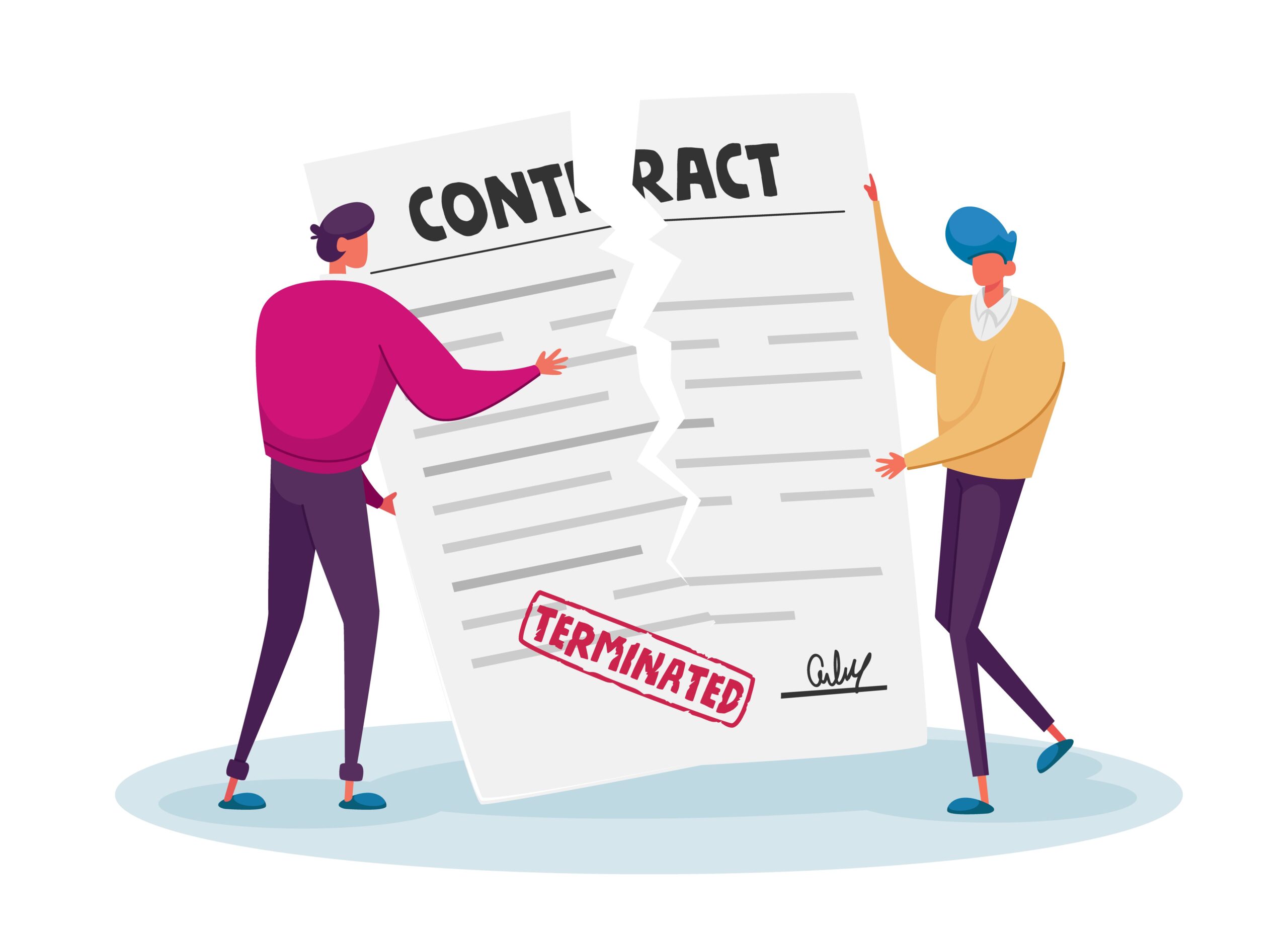
Aruba timeshare owners across the US have legal exit options regardless of how long they’ve owned properties. Rescission rights, contract violations, misrepresentation claims, and professional exit services provide pathways to freedom.
Florida consumer protection laws and federal regulations create opportunities for cancellation when sales practices violated disclosure requirements or contracts contain problematic terms. Legal representation familiar with timeshare law identifies applicable strategies.
Renting makes sense for travelers wanting space without ownership obligations. However, booking through legitimate platforms with buyer protections surpasses private owner arrangements carrying fraud and cancellation risks.
For owners struggling with Aruba timeshares, renting units won’t solve financial problems. Exit strategies addressing the root issue of unwanted ownership provide actual solutions rather than temporary partial relief.
Can I make money renting my Aruba timeshare?
No. Rental income rarely covers maintenance fees after platform fees, cleaning costs, and vacancies. Most Aruba timeshare owners lose money attempting to rent units, subsidizing renter vacations while still paying full ownership costs annually.
Is renting an Aruba timeshare safer than buying?
Renting avoids long-term obligations but carries fraud risks. Hotels provide better value and protection. If considering purchase after a rental experience, research extensively and consult attorneys, sales pressure during presentations leads to regrettable financial commitments.
How do I exit my Aruba timeshare if I can’t sell it?
Legal exit options include rescission during cooling-off periods, cancellation for misrepresentation, negotiated surrender, or working with legitimate exit services. Never stop paying fees without proper cancellation, as this damages credit and creates legal vulnerability.
What’s the difference between renting and owning an Aruba timeshare?
Renters pay once for specific stays without future obligations. Owners pay purchase prices plus perpetual maintenance fees that increase annually, face booking restrictions, can’t sell properties, and remain financially obligated for decades or life.
Timeshare rentals in Aruba expose the financial trap ownership creates. Desperate owners renting units at losses reveal how poorly these investments perform, contradicting sales presentation promises. The rental market exists because owners can’t use, can’t afford, and can’t sell properties they regret purchasing.
For travelers, hotels provide better value and security than timeshare rentals. For current owners trapped in Aruba timeshare contracts with rising fees and no exit, legal cancellation options exist that don’t require finding buyers in worthless resale markets.
Understanding the rental market reality protects prospective buyers from sales traps while showing trapped owners they have pathways to freedom.
Trapped in an Aruba timeshare you can’t use or afford? Timeshare Exit Today helps clients across the US legally end unwanted timeshare agreements through expert guidance and ethical practices. Our timeshare exit services provide credit protection and a 100% money-back guarantee. We make timeshare cancellation simple, clear, and stress-free with commitment to client satisfaction. Contact us for a free consultation to explore your exit options and break free from your timeshare contract.
Ready to reclaim your freedom from timeshare obligations? Fill out the form below to schedule a no-obligation consultation with our expert team.
By providing my phone number to SDS Property Services, LLC, I agree and acknowledge that SDS Property Services may send text messages to my wireless phone number for any purpose. Message and data rates may apply. Message frequency will vary, and you can Opt-out by replying “STOP”. For more information on how your data will be handled, please see our (TERMS & CONDITIONS) and (PRIVACY POLICY).